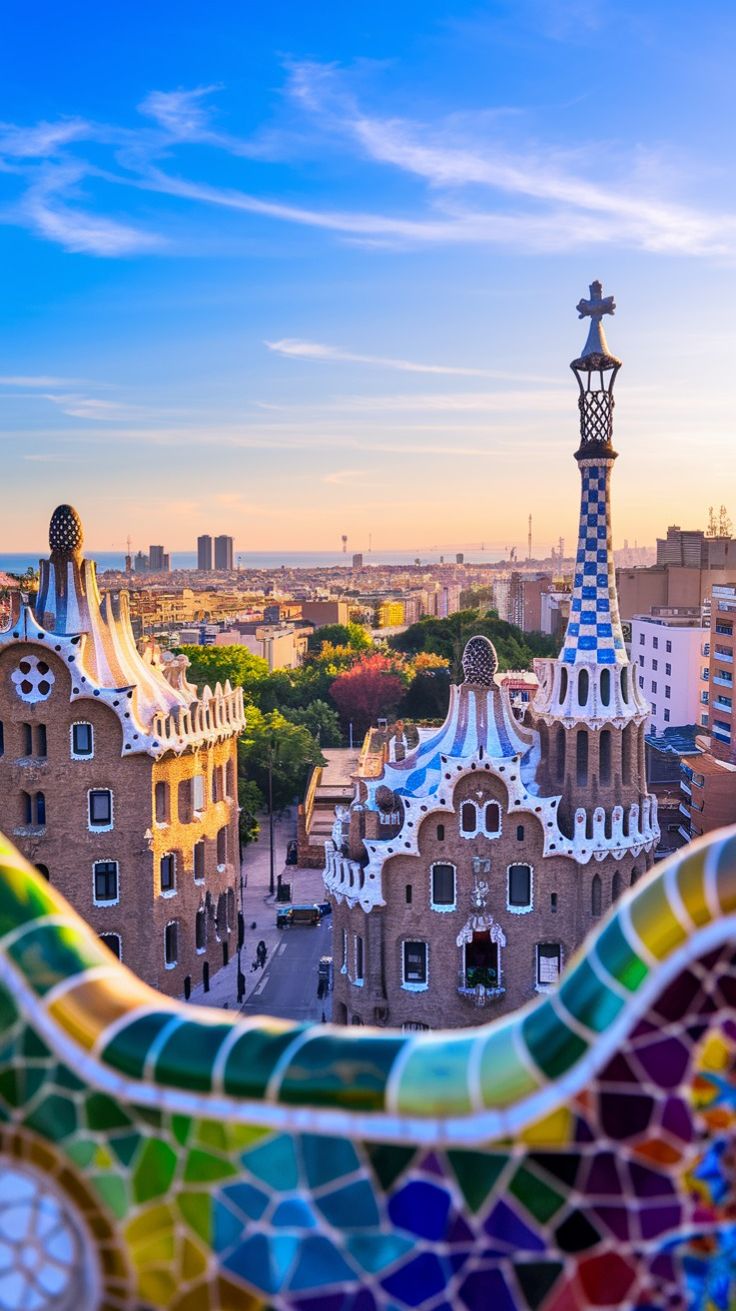
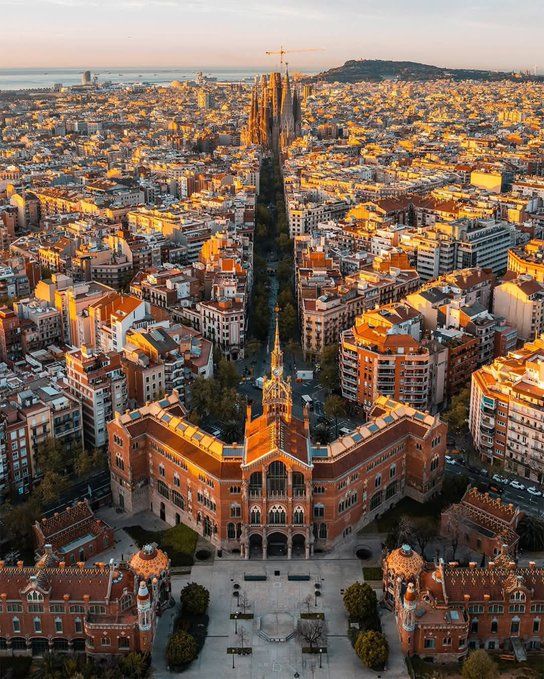
Barcelona is one of Europe’s most iconic destinations — a city where Gaudí’s dreamlike architecture, Catalan heritage, beach culture, and incredible food all blend into the kind of Barcelona city break you never really stop thinking about. After visiting in April 2024, I pulled together my favourite moments to create what I think is the perfect 3-day itinerary for a Barcelona city break.
Day 1 – Gaudí & Gràcia:
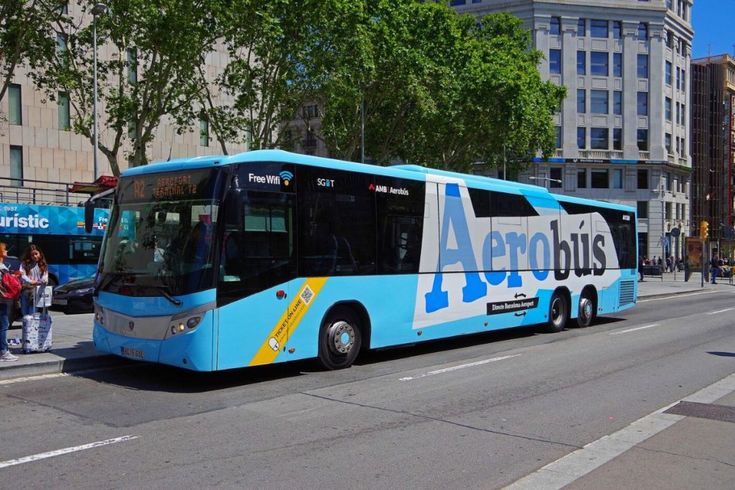
Arriving in Barcelona is straightforward. The airport bus costs €13, runs every 5–10 minutes during the day, and takes around 35 minutes to reach Plaça de Catalunya (A1 for Terminal 1, A2 for Terminal 2). If you’re feeling tired after the flight, taxis are lined up just outside arrivals.
Plaça de Catalunya is the city’s main transport hub and the ideal starting point for the first day of your Barcelona city break. Grab a quick lunch before you begin — places like El Glop or even the Hard Rock Café are easy options close by.
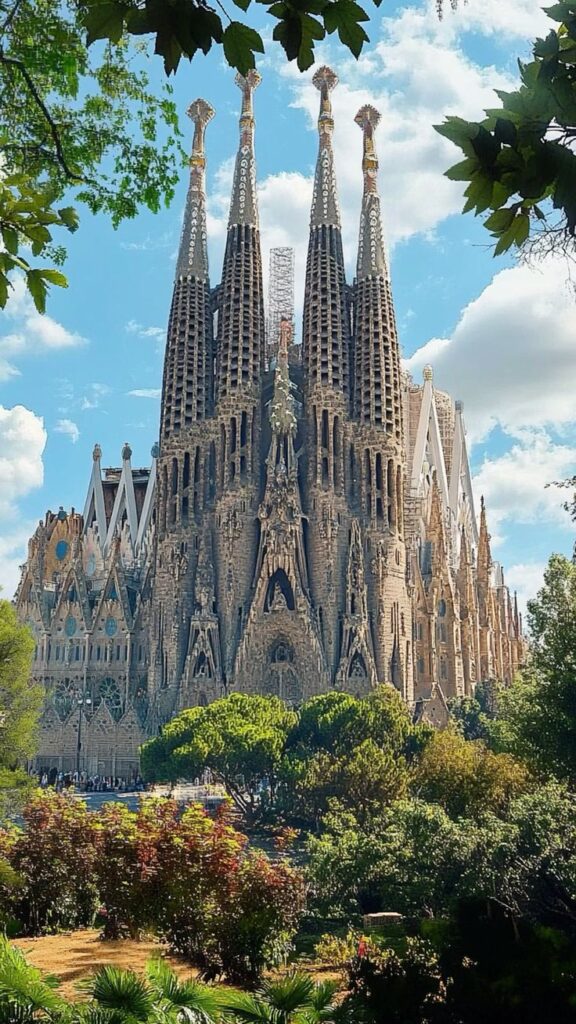
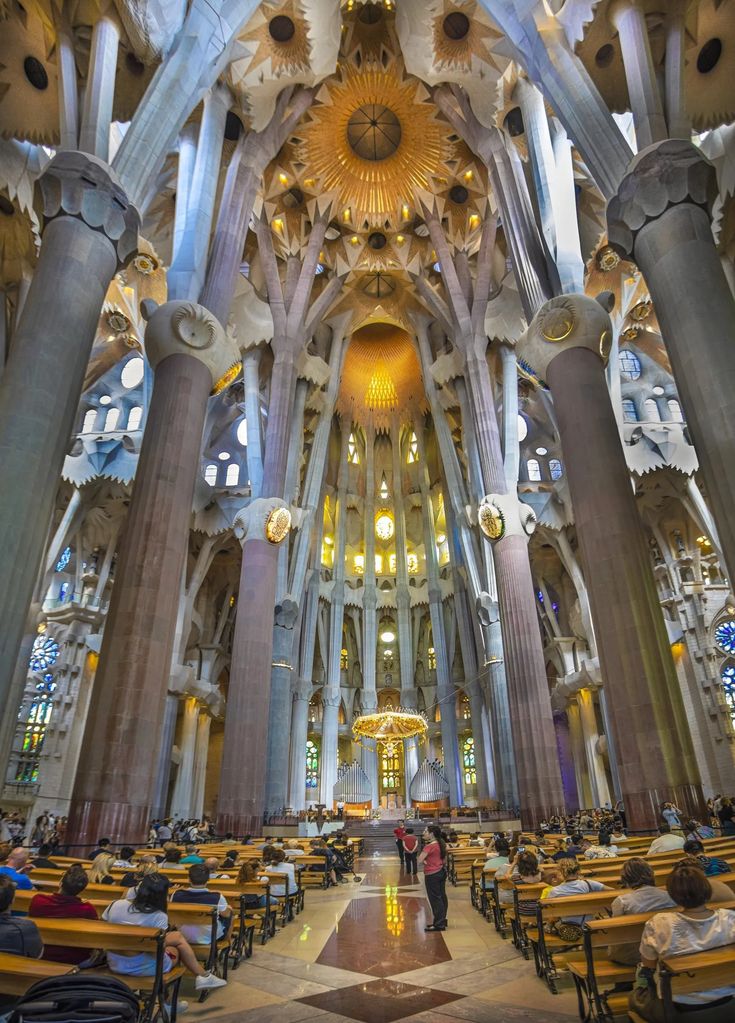
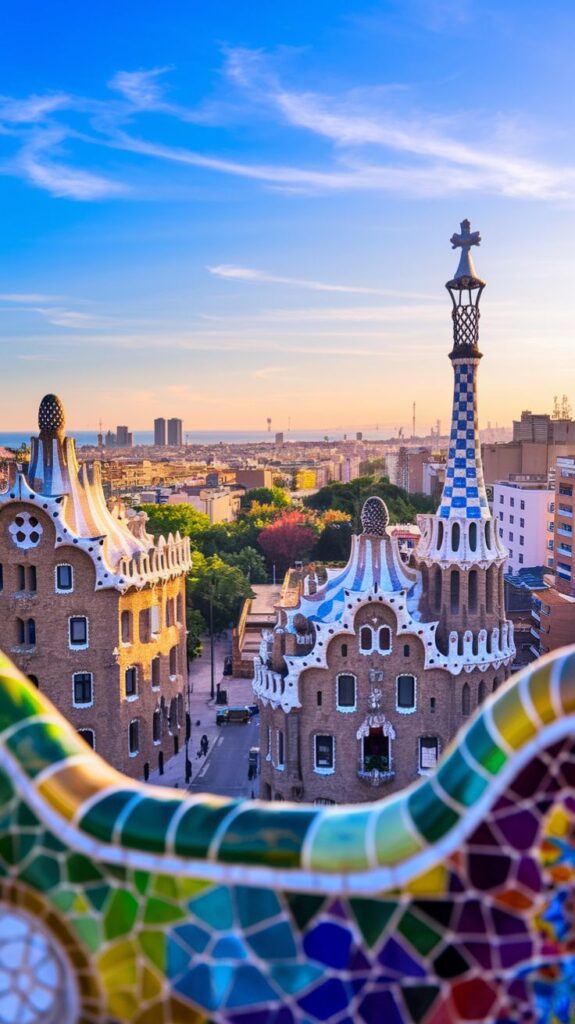
Today’s focus is Antoni Gaudí, the Catalan architect whose distinctive style defines Barcelona. Some of his most famous works include:
I designed a 9 km walking route linking these sights and finishing at Bunkers del Carmel, one of the best sunset viewpoints in the city. If you’re short on time, prioritise Sagrada Família, Park Güell, and Casa Vicens.
After sunset, wander into Gràcia, a lively neighbourhood packed with restaurants and bars. Some great dinner spots include La Pubilla, Con Gracia, and Roig Robi.
From there, catch the metro from Alfons X station back to your accommodation. You’ll find recommendations on where to stay in Barcelona below.
Day 2: Montjuïc & La Rambla:
Start Day 2 at Plaça de Catalunya and head down La Rambla, Barcelona’s most famous pedestrian street. Browse as you walk, and if you’re hungry, pop into La Boqueria Market for some of the city’s best quick bites.
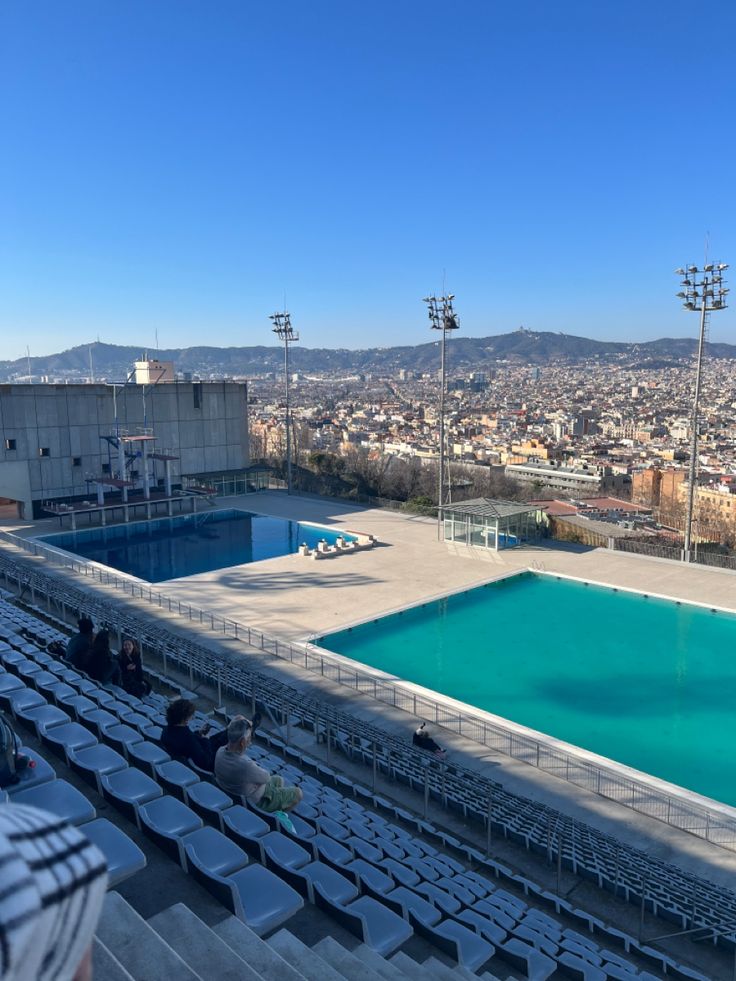
At the bottom of La Rambla, next to the Columbus Monument, turn right and begin the climb up Montjuïc Hill. One of the best stops on the way is the former Olympic swimming pool with the stands converted into seating for a bar. It’s the perfect place for a refreshing drink with panoramic views of the skyline. See if you can spot the places you visited on Day 1.
From here, walk or take the cable car (€11) for the final stretch. I opted for the cable car — the views were lovely, though it didn’t save much time, so if you’re on a budget, walking works perfectly.
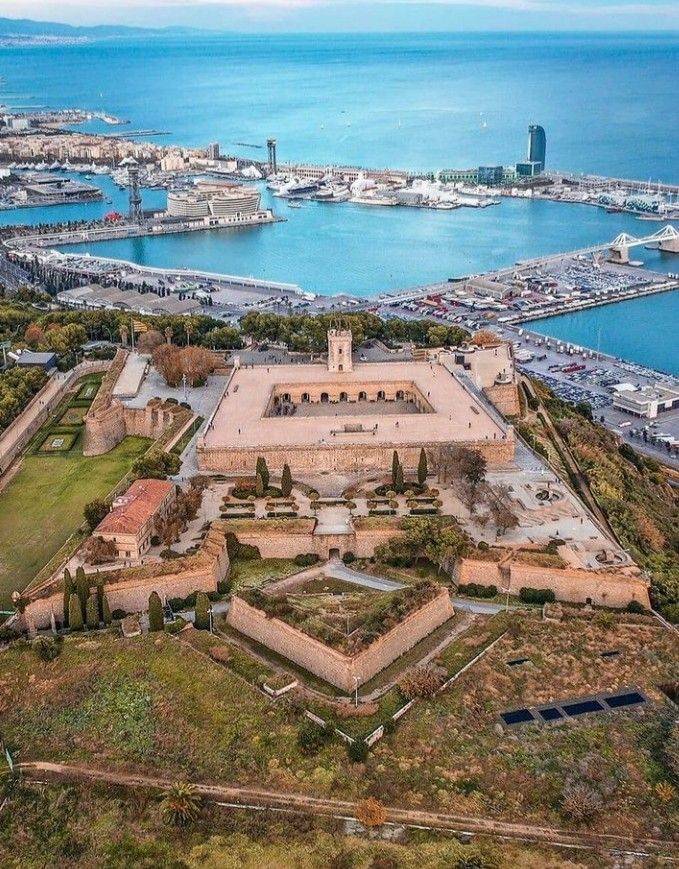
At the summit is Montjuïc Castle, a 17th-century fortress overlooking the coast. You can explore the exterior for free, but I’d recommend paying the €5 entry fee. Even if history isn’t your thing, the views alone make it worth it — and it’s definitely a better use of money than the cable car.
Afterwards, walk down to the Olympic Stadium, built in 1927 and renovated for the 1992 Games. It now hosts Barcelona’s home matches while Camp Nou undergoes renovation. When I visited, part of the stadium was open, giving me an unexpected view of the pitch and stands.
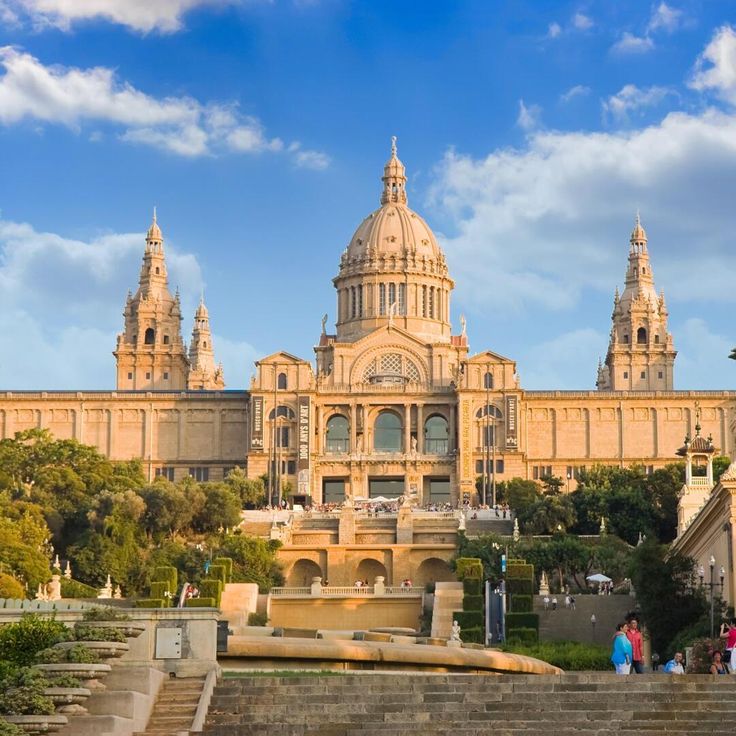
Continue to the National Art Museum of Catalonia (MNAC) — one of Barcelona’s most impressive buildings. Even if you don’t go inside, the exterior alone is breathtaking. Entry is €12 and includes access to the rooftop terrace.
From Plaça Espanya, you can either return to the city centre or head toward Camp Nou. The museum tour is iconic but currently limited due to renovations, so while slightly underwhelming, big fans of the club will still enjoy the history.
Finish your evening with dinner in Plaça Reial, a lively square just off La Rambla. Personal favourites include Les Quinze Nits and Ocaña.
Day 3: Gothic Quarter & Barceloneta:
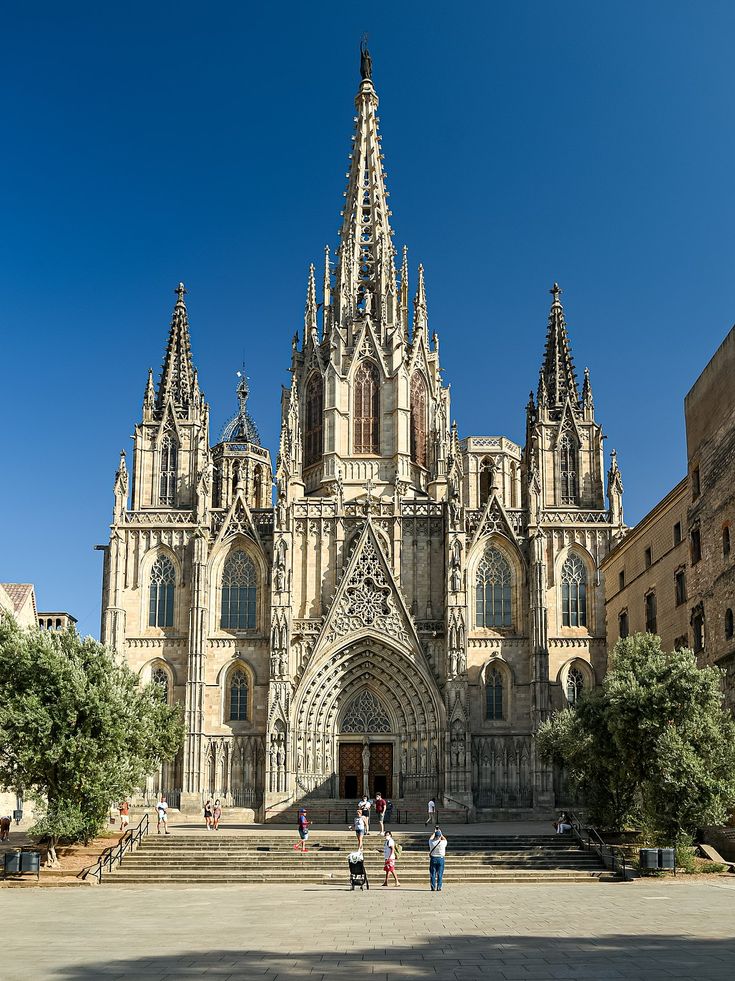
Spend your final day exploring the Gothic Quarter, the oldest and most atmospheric part of Barcelona. It’s a maze of medieval streets, Roman remains, hidden courtyards, and Gothic architecture. Don’t miss the Basílica de Santa Maria del Mar and Barcelona Cathedral.
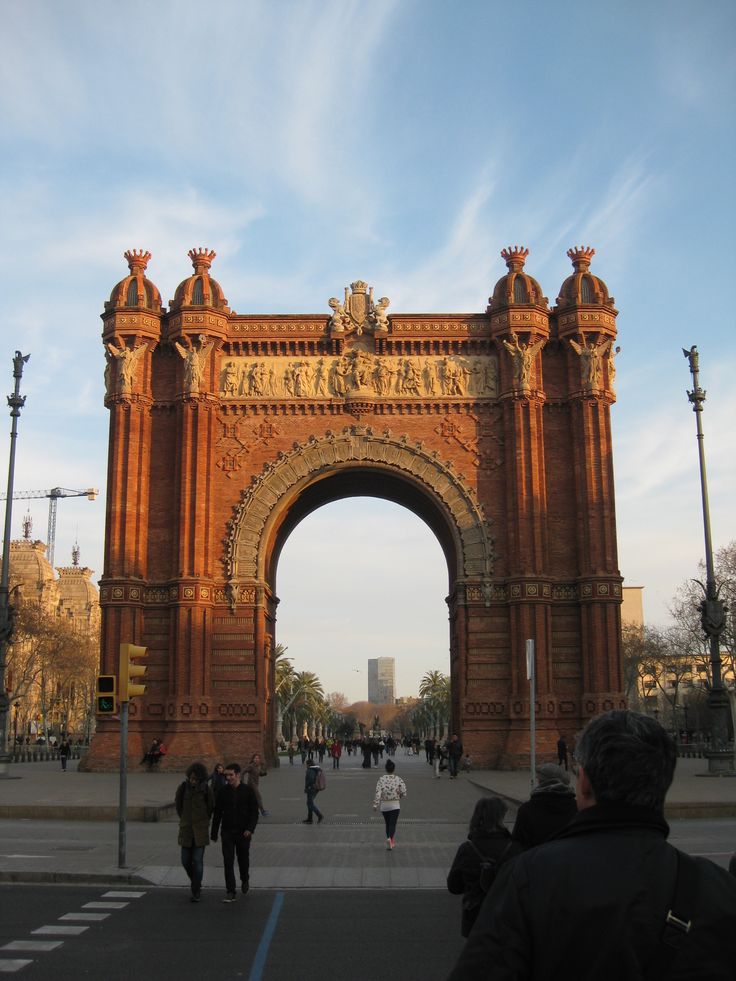
After exploring, walk to the Arc de Triomf and continue into Ciutadella Park. Relax to live music, wander by the fountains, or rent a rowboat on the lake (from €7).
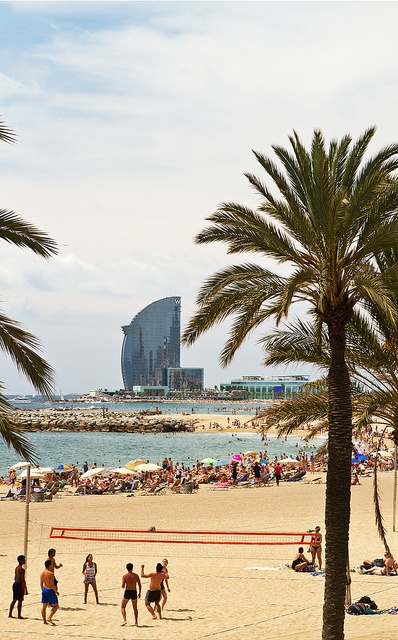
If time allows, head to Barceloneta for the beach. Swim in the Mediterranean or enjoy food and drinks at Bitacora, Vaso de Oro, or Jai-Ca. It’s a perfect way to end your Barcelona city break.
When it’s time to leave, walk back to Plaça de Catalunya to catch the airport bus (just remember Barceloneta is about a 30-minute walk away).
Planning Your Barcelona City Break:
If nightlife is a priority, Barcelona is unbeatable. I found some of the best bars in the Gothic Quarter and around Port Olímpic. Hostel-organised pub crawls are a fun way to meet other travellers and discover great bars with zero planning. I stayed at Kabul Party Hostel, which offered a lively social vibe in a central location without being overly chaotic.
Pickpocketing is something to be aware of, especially on the metro or in busy areas. I had no issues, but keeping valuables in a small waist or cross-body bag makes things easier and safer.
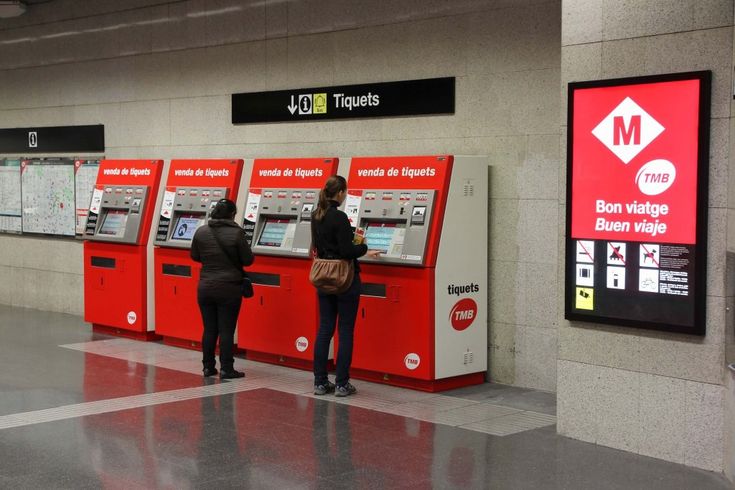
Getting around is simple thanks to the metro — fast, cheap, and well connected. I’d recommend a Zone 1 T-casual ticket (€13 for 10 trips). It should be more than enough for three days and can be bought online or at any station.
For sightseeing, book major attractions in advance, especially Sagrada Família (€26) and Park Güell (€12), which often sell out on weekends or during peak season. If you want a beautiful, budget-friendly alternative, the Basílica de Santa Maria del Mar is only €5 and absolutely worth a visit.
Where to Stay During your Barcelona City Break:
Barcelona is made up of many distinct neighbourhoods, each offering its own unique atmosphere. Below is a quick guide to five key areas to help you find the vibe that suits you best.
1. Gràcia:
Located in the northern part of central Barcelona, Gràcia has a relaxed, village-like feel with plenty of independent shops, cafés, and great restaurants. It’s well connected to the centre by metro, though on foot it’s around a 30-minute walk. Ideal if you want a more local, laid-back experience.
2. Gothic Quarter:
Right in the heart of the city, the Gothic Quarter is Barcelona’s oldest neighbourhood. Its narrow medieval streets make it incredibly atmospheric—but also very busy and touristy. Still, it’s a fantastic central base for exploring.
3. L’Eixample:
Built as an expansion of the old city, L’Eixample is known for its modernist architecture, wide avenues, and spacious grid layout. It strikes a great balance between the touristy buzz of the Gothic Quarter and the local charm of Gràcia, all while being very central and easy to navigate.
4. El Born:
Just east of the Gothic Quarter, El Born shares the same historic charm but feels a bit more refined and slightly less touristy. Expect boutique shops, cool bars, and plenty of independent restaurants tucked into its medieval streets.
5. Barceloneta:
Barcelona’s seaside neighbourhood offers instant access to the Mediterranean, lively beach bars, and a holiday vibe. However, accommodation options are more limited, it’s farther from the centre, and the beaches can get very crowded in summer.
Budgeting Your Barcelona City Break:
Below is an estimated cost for a 2-night / 3-day trip to Barcelona based on the activities mentioned. Your final spend will vary depending on where you choose to stay and how many activities you decide to include, so I’ve provided a flexible price range to suit different budgets:
- Accommodation: €40–180
- Food: €70–120
- Transport: €30
- Activities: €60–120
Total Estimated Cost: €200–450
Final Thoughts:
I loved my time in Barcelona. It’s a city that feels effortlessly alive — full of striking architecture, golden beaches, great tapas, and a nightlife scene that rivals any in Europe. It’s no surprise Barcelona consistently ranks among the continent’s most visited cities.
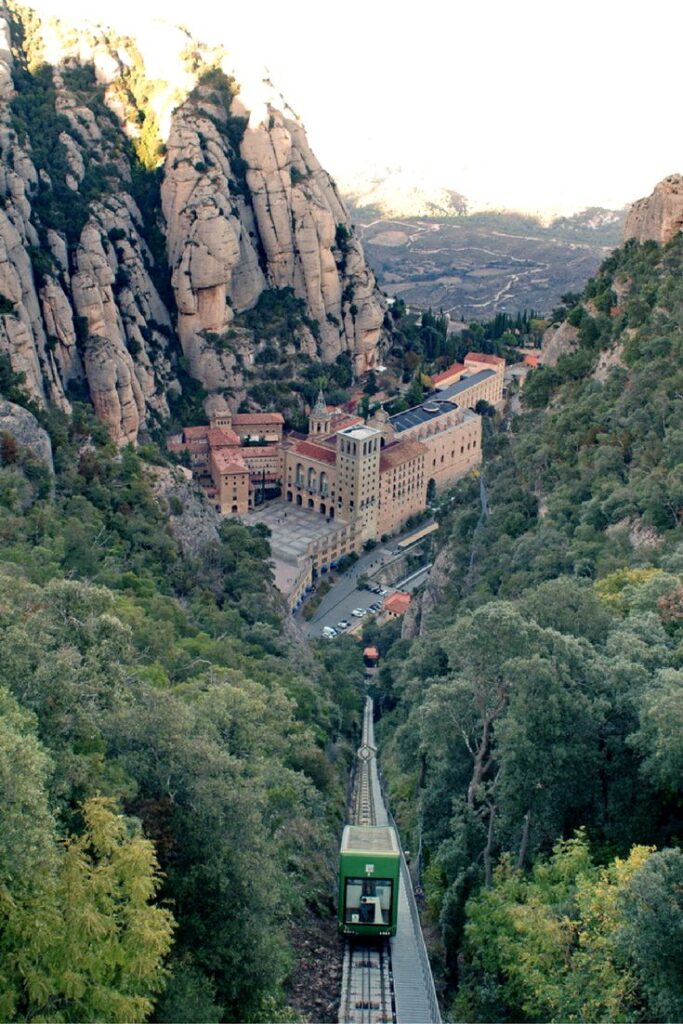
Three days felt like the right amount of time to see the main highlights without rushing. But if you’d prefer a slower pace — or plan to explore beyond the main sights — four or five days is ideal. With extra time, I’d add a day trip to Montserrat, which I didn’t manage to visit but will be top of my list next time.
I visited in late April and had glorious sunshine with temperatures in the low to mid-20s — perfect for sightseeing and even swimming (if you’re British, anyway). For similar weather, travel in April–May or September–October, when it’s warm, lively and less crowded.
I’ve also created an interactive Google My Map highlighting all the key locations mentioned in this itinerary, plus a few extra attractions worth visiting if you have time.
Looking for more inspiration? Check out my other travel blogs.